


(English)
Beyond the Billion-Dollar Headlines: The Hidden Manufacturing Rights Reshaping China's Biologics Licensing Deals
As China's innovation gains global recognition, manufacturing rights are emerging as a new source of value in biologics licensing.
China's licensing boom has become one of the defining stories of the global biopharmaceutical industry. Yet while billion-dollar deal values dominate the headlines, a far more strategic shift has received little attention: who owns the commercial manufacturing rights after the deal is signed?
To answer this question, Chime Biologics analyzed almost every publicly disclosed China-originated mAb-based biologics licensing transaction since 2025, including manufacturing arrangements disclosed in SEC filings and other public documents. The findings reveal that commercial manufacturing rights are becoming an increasingly valuable negotiating clause, creating measurable value for both Chinese licensors and global licensees.
Key takeaways:
- China-originated drug licensing transactions accounted for historically more than 50% of global licensing value in 2026 H1.
- China-originated mAb-based biologics licensing transactions reached a record US$35 billion in announced deal value during 2026 H1.
- Chinese innovators are increasingly retaining global commercial manufacturing rights, reflecting growing confidence in China's biomanufacturing capabilities.
- Early-stage licensing deals that retain global commercial manufacturing rights show a 53% higher upfront payment ratio than comparable deals without retained manufacturing rights.
- The global dual-source strategy of Chime Biologics is emerging as a compelling model to combine China's manufacturing efficiency with regional supply resilience to create value for both licensors and licensees by increasing upfront economics and improving long-term commercial margins respectively.
Beyond the Deal Value
China's biotechnology licensing boom has become one of the defining stories of the global pharmaceutical industry. According to Biomedtracker, China-originated assets accounted for historically more than 50% of global drug licensing value during the first half of 2026, demonstrating that China's biotech ecosystem is now recognized not only for development speed, but increasingly for scientific innovation.
Most industry discussions, however, stop at the headline numbers.
Yet one important question remains largely overlooked:
Who owns the commercial manufacturing rights after the licensing agreement is signed?
For biologics, the answer increasingly influences not only the economics of individual transactions, but also the long-term competitiveness of the global manufacturing supply chain.
The Clause Few People Are Talking About
To better understand how licensing structures are evolving, Chime Biologics analyzed almost every publicly disclosed China-originated mAb-based biologics licensing transaction announced since 2025. Beyond press releases, our review incorporated SEC filings, annual reports and other public disclosure documents whenever manufacturing arrangements were available.
While financial terms naturally receive the greatest attention, manufacturing provisions often reveal how both parties view long-term value creation. Historically, commercial manufacturing rights were frequently transferred together with commercialization rights, reflecting the assumption that manufacturing was primarily an operational function after successful clinical development.
That assumption is beginning to change.
Our analysis suggests that manufacturing capability itself is becoming part of the strategic value proposition during licensing negotiations, reflecting the rapid evolution of China's biologics manufacturing ecosystem.
The total announced value of China-originated mAb-based biologics licensing transactions closely mirrors the broader licensing boom. During the first half of 2026, disclosed transaction value almost reached US$35 billion, representing the highest level observed since China became a major contributor to global biologics innovation. (Figure 1)
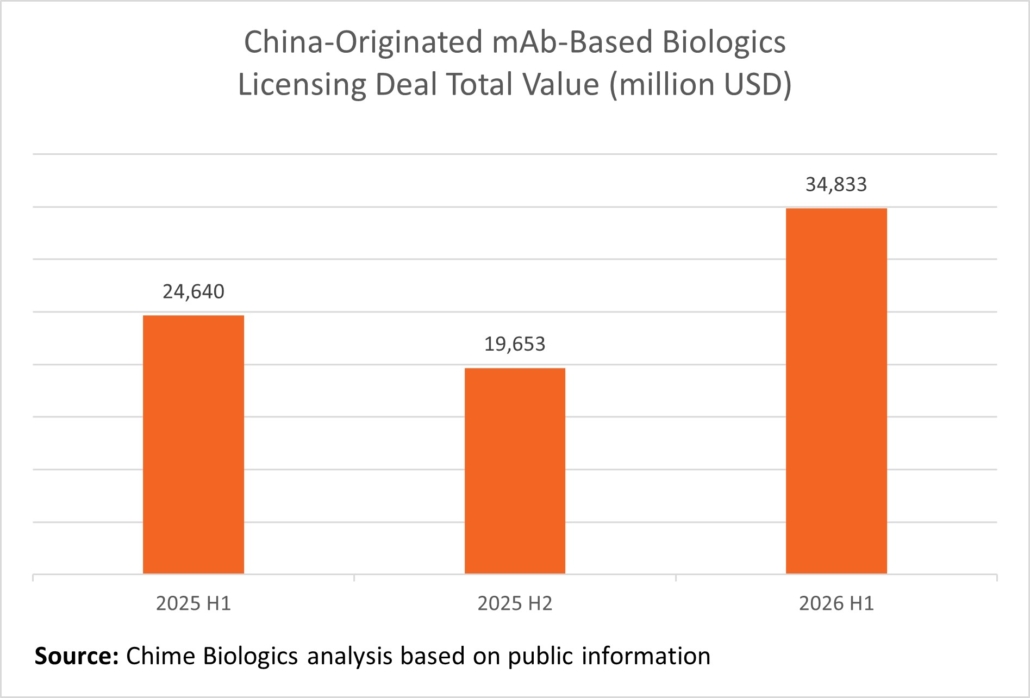
Figure 1 China-Originated mAb-Based Biologics Licensing Deal Value Reached Another Historic High
But the deal value tells only part of the story. The manufacturing clauses reveal something even more significant.
Manufacturing Rights Are Becoming Strategic Assets
Among all the agreements reviewed, one trend stood out clearly. Chinese biotechnology companies are increasingly retaining global commercial manufacturing rights after licensing out their biologics assets, rather than transferring manufacturing together with commercialization rights. (Figure 2)
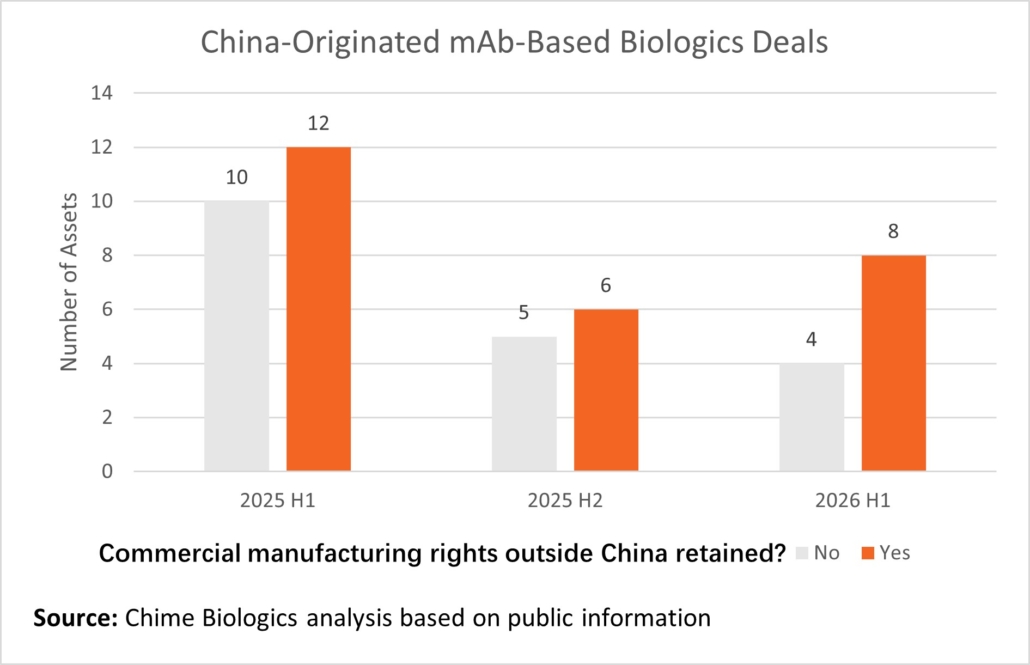
Figure 2 Retention of Global Commercial Manufacturing Rights Increased Significantly in 2026 H1
This trend reflects a fundamental change in confidence. Over the past several years, China's biomanufacturing capabilities have advanced rapidly, which has strengthened the negotiating position of Chinese innovators. Manufacturing is no longer viewed simply as downstream execution after technology transfer. Instead, it has become an integral part of the long-term value generated by a biologics asset. By retaining global commercial manufacturing rights, licensors preserve not only future manufacturing revenue, but also an enduring strategic role throughout the product's commercial lifecycle.
Manufacturing Capability Is Creating Measurable Deal Value
Does retaining commercial manufacturing rights actually improve licensing economics for early-phase assets?
To explore this question, we compared publicly disclosed preclinical and Phase I mAb-based biologics licensing transactions and divided them into two groups based on whether Chinese licensors retained global commercial manufacturing rights. Rather than comparing total announced deal values alone, we analyzed the proportion of upfront payment relative to total deal value, providing a better indication of value recognized at the time of signing.
The difference is compelling. (Figure 3)
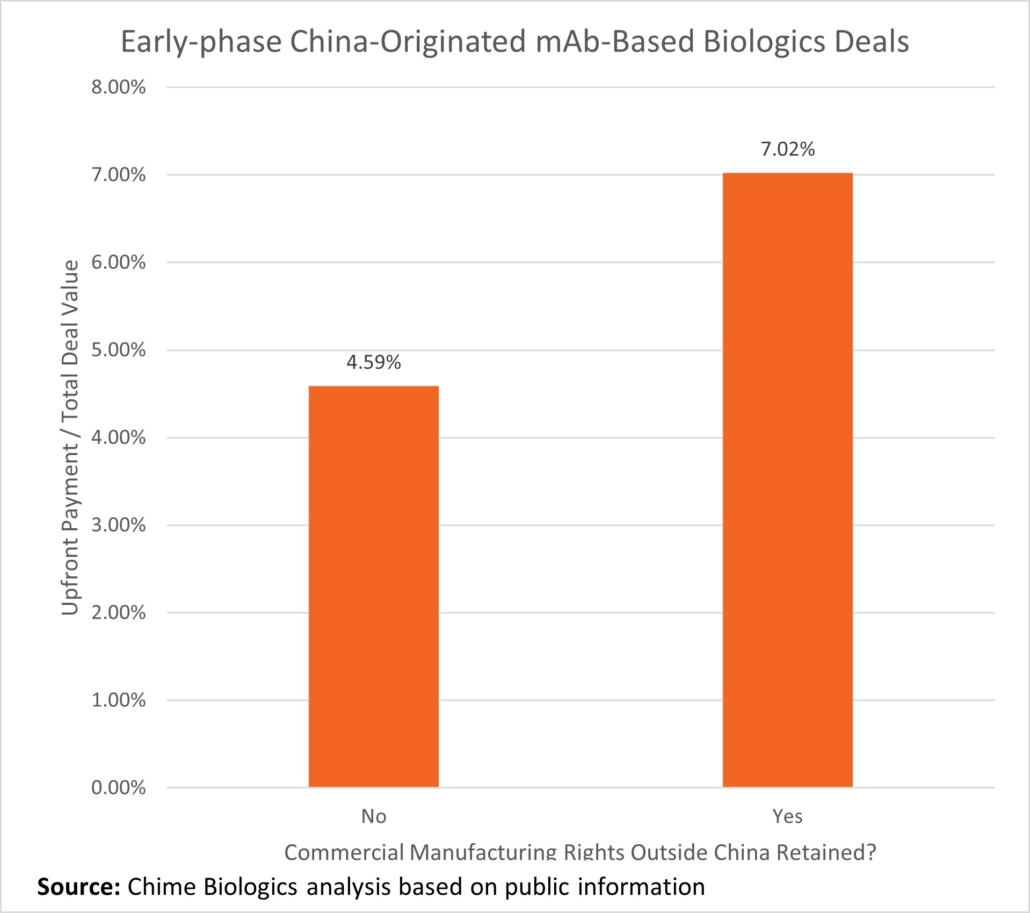
Figure 3 Retention of Global Commercial Manufacturing Rights Is Associated with Higher Upfront Payment Ratios
Among early-stage transactions where global commercial manufacturing rights were granted to the licensee, upfront payments represented an average of 4.59% of the total announced deal value. When Chinese licensors retained global commercial manufacturing rights, the average upfront payment increased to 7.02%, representing a 53% increase in upfront payment ratio.
While many factors influence licensing economics, the findings suggest that manufacturing capability is becoming an increasingly valuable negotiating asset. Strong manufacturing capabilities may provide licensors with greater confidence to retain commercial manufacturing responsibilities.
Manufacturing Creates Value for Both Sides
The value of retaining commercial manufacturing rights extends beyond the licensor.
As market access expands and affordability becomes increasingly important, ongoing improvements in China's manufacturing efficiency, integrated supply chains, and rapidly advancing bioprocess ecosystem are expected to significantly reduce manufacturing costs and maintain COGS at a competitive level, helping mitigate long-term pricing pressure from regulation and market competition.
The implications are substantial for both parties involved in a licensing transaction. Chinese innovators can capture greater value through higher upfront payments and long-term manufacturing revenue, while global licensees benefit from structurally lower manufacturing costs that improve commercial gross margins throughout the product lifecycle. Rather than redistributing value between buyer and seller, manufacturing excellence expands the total value created by the partnership.
Manufacturing, therefore, is no longer simply a cost center. It is becoming a value creator.
Global Dual-Source Manufacturing: The Next Competitive Advantage
As biologics become increasingly global, manufacturing strategies must balance cost, quality, supply resilience and regulatory flexibility. A single manufacturing location may no longer provide the optimal solution for worldwide commercialization. Instead, global dual-source manufacturing is emerging as a practical model that combines manufacturing efficiency with regional supply security.
Recognizing this shift, Chime Biologics recently established a strategic collaboration with Rezon Bio, a Europe-based biologics CDMO, to provide integrated manufacturing solutions spanning clinical supply and commercial manufacturing. By combining China's manufacturing competitiveness with regional production capabilities, the model helps both licensors and licensees build more resilient global supply chains while maintaining commercial flexibility.
This Global Dual-Source Strategy is further strengthened by the Chime AI Platform, which applies AI across biologics discovery and CMC development to accelerate timelines and improve manufacturing efficiency. At the same time, the Chime Innovation Alliance integrates China's rapidly advancing ecosystem of bioprocess suppliers at both sites for supply chain competitiveness. Together, these initiatives enable Chime Biologics to support global partners with an increasingly intelligent, efficient and resilient manufacturing network.
About Chime Biologics
Chime Biologics is a leading global CDMO, focused on ensuring our customers' success in delivering innovative biologics as well as biosimilars to patients across the world. Chime Biologics can support customers end to end, from pre-clinical support and cell line development through to clinical and commercial manufacturing of drug substance and drug product. Employing our state-of-the-art capabilities in our Europe Innovation Hub (Basel, CH), China Innovation Hub (Shanghai, CN), Development & Manufacturing Campus (Wuhan, CN) and proven success in supporting our clients with their clinical and commercial authorizations across the globe, Chime Biologics is a true end-to-end solution provider for the biologics industry. With over 600 skilled employees, we share a common goal to make cutting-edge biologics affordable and accessible to patients worldwide, fulfilling our commitment to improving human health globally.

